
45 High Street
Current
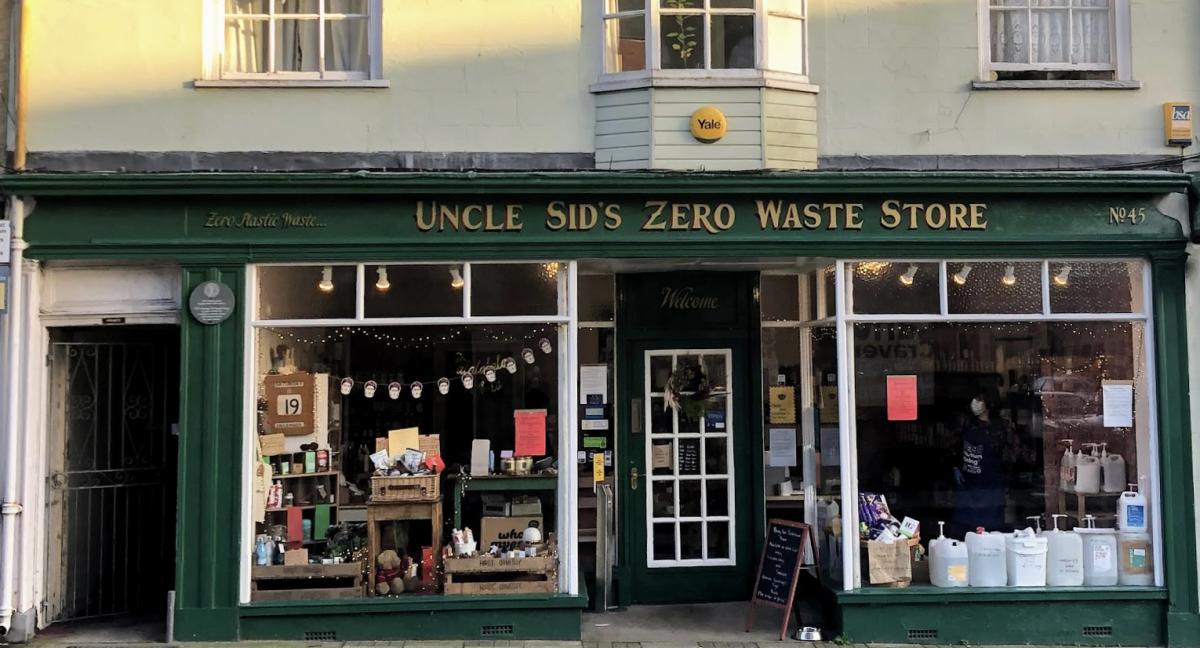
UncleSids
45
High Street
Lowestoft
NR32 1HZ
United Kingdom
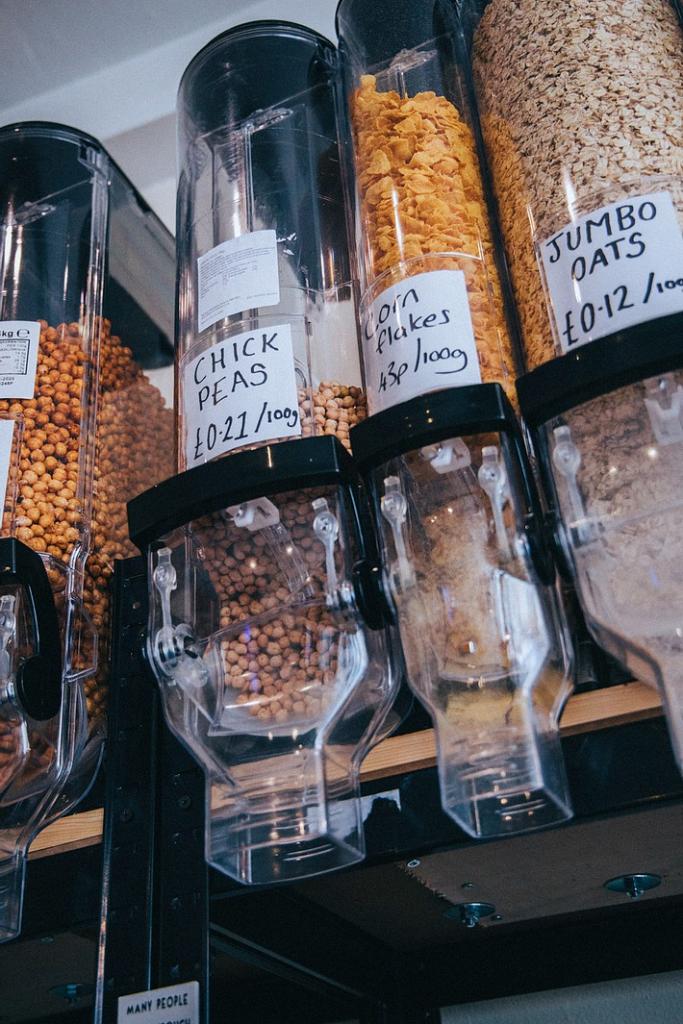
for those wishing to top up on staple ingredients and those cutting down on plastic usage.
History




We believe the branch operated from different premises on the High Street (what is now no. 45) by circa 1830 and remained at this address until it moved to 62 High Street in 1858. The agents for the bank in the 1830s were John Brown and Daniel Chaston, linen and woollen drapers. CREDIT: Rosie Fogarty Archivist Barclays Group Archives
It would seem that the Chaston family were involved in banking at 45 High Street at the same time as running a Drapers business there, as follows:
Pigot’s Commercial Directory for Norfolk & Suffolk (1830) lists John Brown[e] Chaston & Daniel Chaston as Agents in Lowestoft for Gurneys, Turner & Brightwen Bank, drawn on Barclay & Co., London. The address is not given.
When the 1841 Census was taken John Browne Chaston is listed as a draper in what would later be numbered 45 High Street, Lowestoft. There is no mention of him being a banking agent. In the house was his wife Susanna[h] and three children John aged 25, Sarah aged 20 and Daniel aged 14. The occupational status of the children is not given. Staff and visitors are also listed but there is no mention of a banking agent.
White’s Directory of Suffolk (1844) lists John Brown Chaston as Banking Agent for Gurneys Bank (on Barclay & Co.), Lowestoft. He is listed as being located on High Street but no address is given.
John Brown[e] Chaston died at Lowestoft in May 1847 aged 56.
When the 1851 census was taken 45 High Street was occupied by Susanna[h] Chaston, aged 55, the widow of John Brown[e] she is described as the Head of the household and a “widow of Linen Draper”. In the house with her was her son, John Chaston, aged 36, whose occupation is given as “Draper and Bank Agent”. A shop assistant, two apprentices and a Tailoress are also listed as are two domestic servants. No other bank agent is mentioned.
NB: I have been unable to identify who Daniel Chaston (1830) might be in relation to John Brown[e] Chaston.
CREDIT: Ivan Bunn
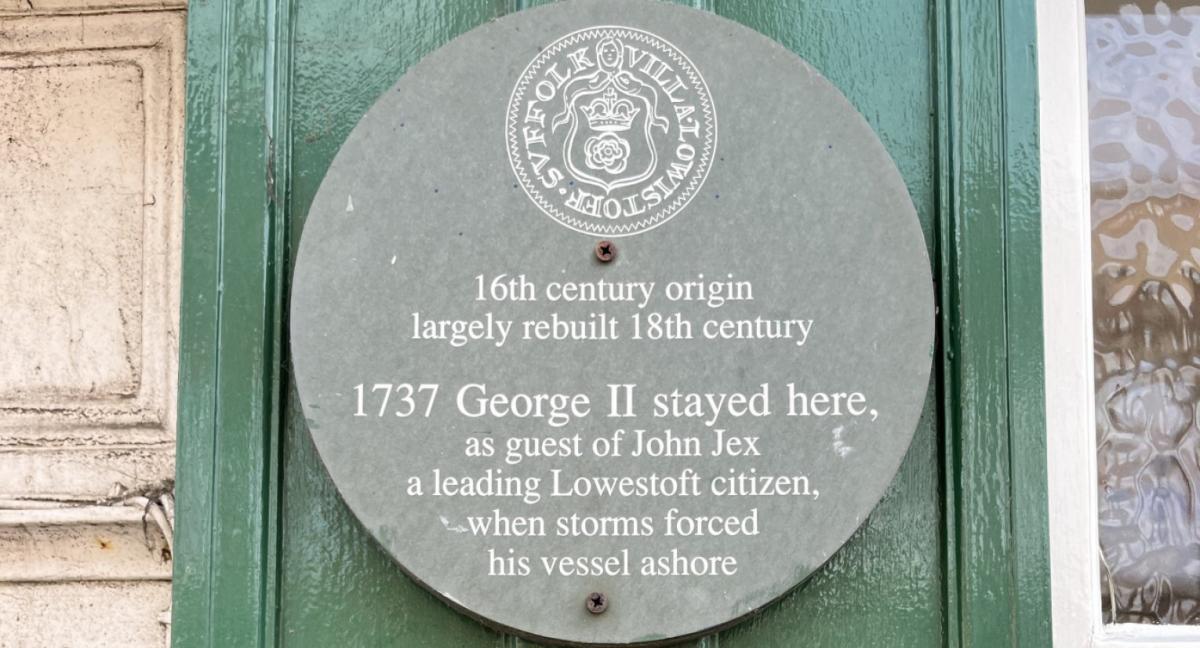
Current Address: 45 High Street East or West Side: East side When built: A Grade II listed building with 16th century origins rebuilt in the early 19th century. Brief history/features: A former property on the site is described in the early 18th century as a messuage with yards and fish house. There appears to have been “A Warehouse” to the east of the main house on the High Street. The property extended to Whapload Road where the fish house stood. It escaped the great fire in March 1645 when it was owned by a yeoman named Robert Coe. However his fish house on Whapload Road was destroyed and was valued at £205. The Coe family sold the property to one John Jex in 1698 and in 1710 it passed to his son John and wife Margaret who occupied the building for much of the 18th century. Former Notable Owners: John Jex jnr was a merchant and magistrate and one of Lowestoft’s leading townsmen. He died in 1777 aged 89. By 1841 the property was occupied by John B. Chaston and family. It was a draper’s shop and for a while was known as Chaston House. By the 1870s Thomas Elven Thirtle had a successful iron mongers shop here and it continued for over 40 years. He was another wealthy businessman, a one time Captain of the local Volunteer Fire Brigade, Agent for the Shipwrecked Mariners Society, and town councillor. He was elected Mayor of Lowestoft in 1910 and served in that post for 2 consecutive years. When he died in 1929 aged 86 his estate was valued at over £23,479. Little known fact: On 14 January 1737 the royal barge containing King George II was storm-bound off Lowestoft and his life was in danger. As it approached the shore a body of Lowestoft sailors waded into the sea, took the barge onto their shoulders with the king and his entourage on board and carried it safely onto the shore. Here the King was greeted by John Jex who, with his carriage, conveyed him to his house in the High Street. The King stayed there for about two hours before setting off for London.
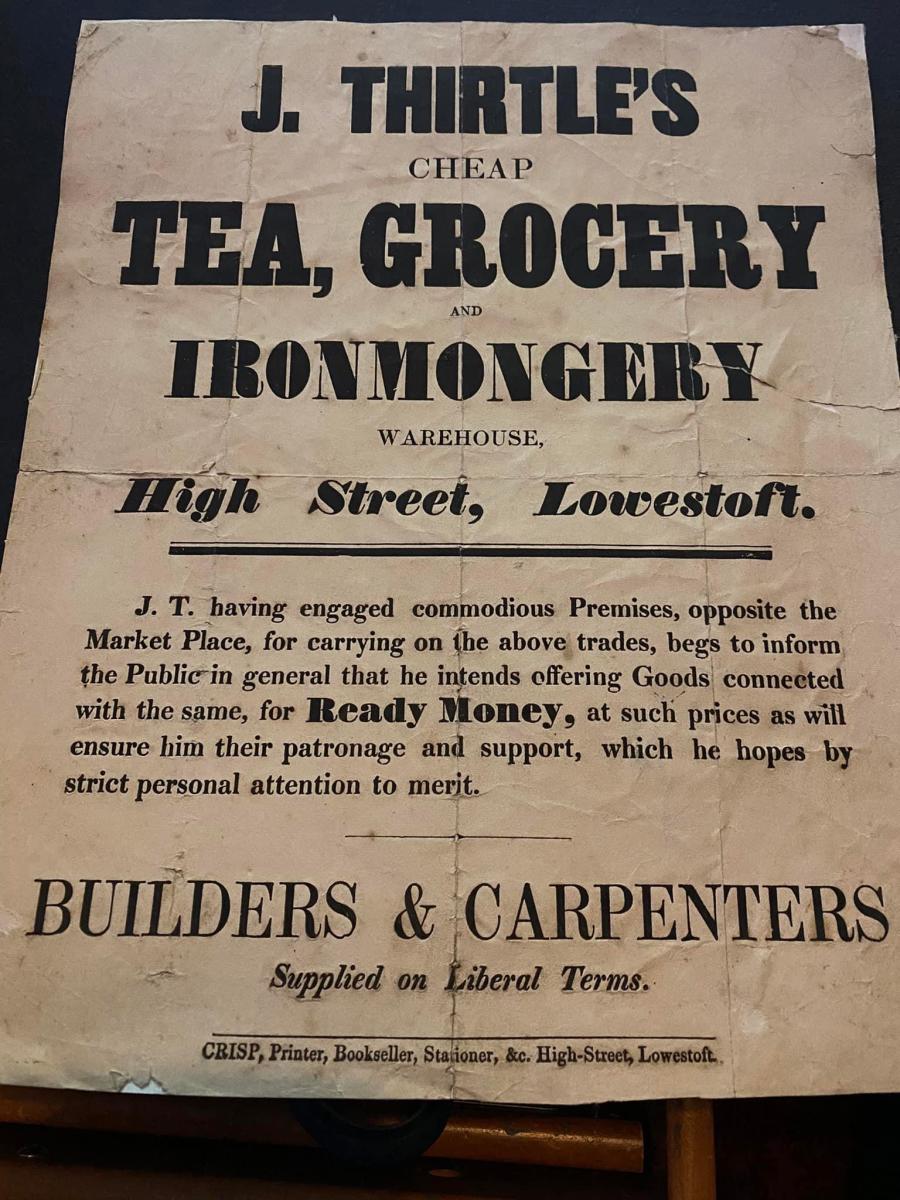
No45 High Street or by its name Chasten House started out its life in 1865 as Robert Bracey Ling's, Linen Drapers and by the 1870's it had become Thomas Elven Thirtle Ironmongers he also had two other shops, one in Whapload Rd and the other in Old Market Plain.
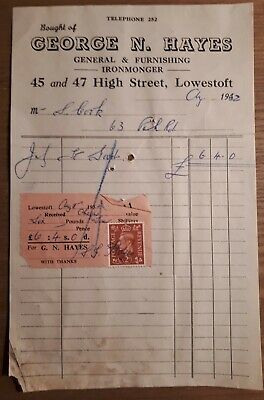
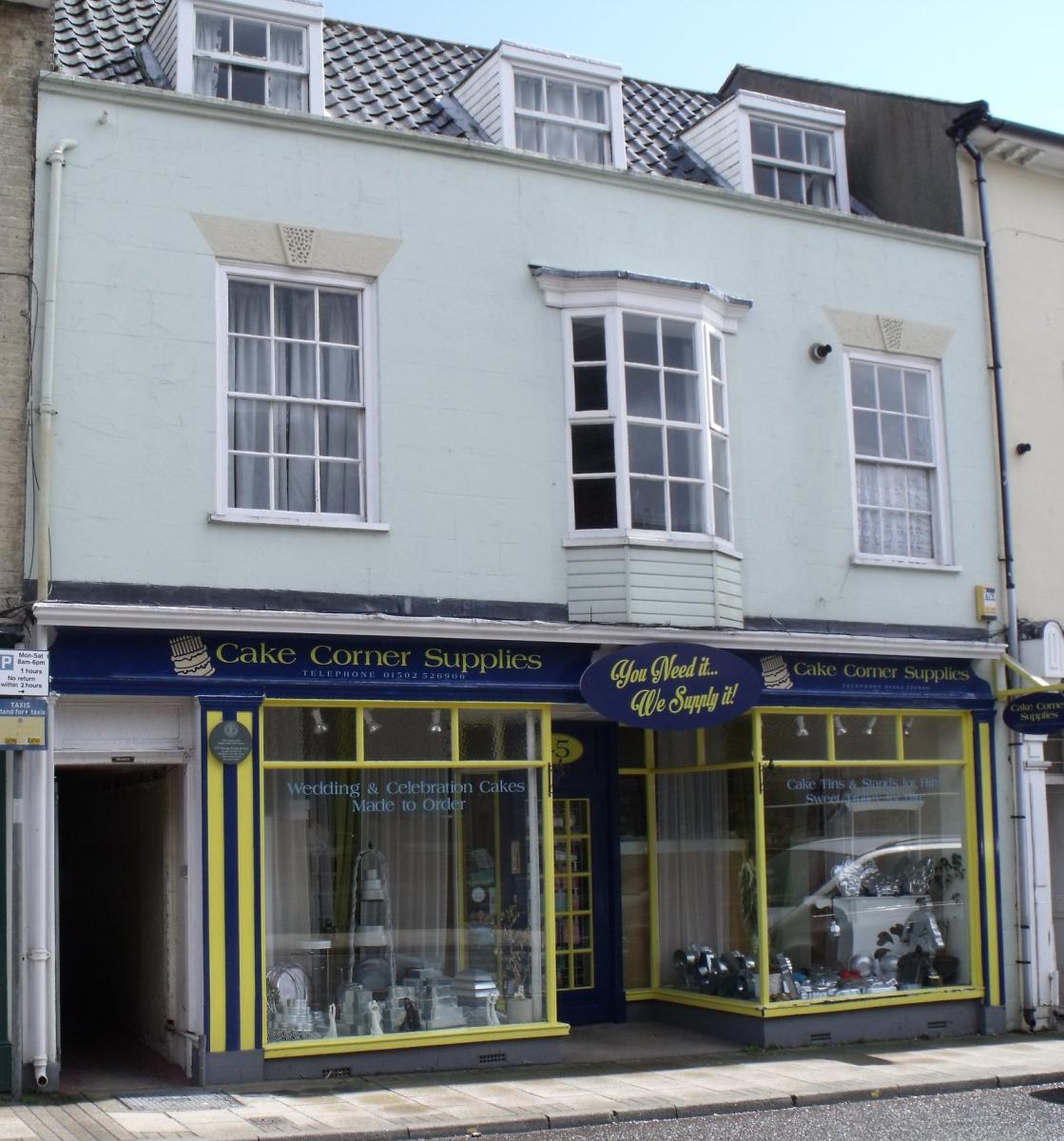
In 1900 he was listed as the agent for the Lowestoft Shipwrecked Mariners Society. By the time the 2nd picture was taken George. N. Hayes had taken over the business and carried it on until the late 1970's. 1989 -2015 the building was Tinkerbelle bridalwear After which it became Cake Corner Supplies.
On the outside of the building is a plaque with the following statement: - 16th century origin largely rebuilt 18th century, in 1737 George 2nd stayed here, as the guest of John Jex a leading Lowestoft citizen, when storms forced his vessel ashore.CREDIT: Lowestoft High Street, The Butcher, The Baker and The Candlestick Maker by Crispin Hook 2016 Get the book
Architecture
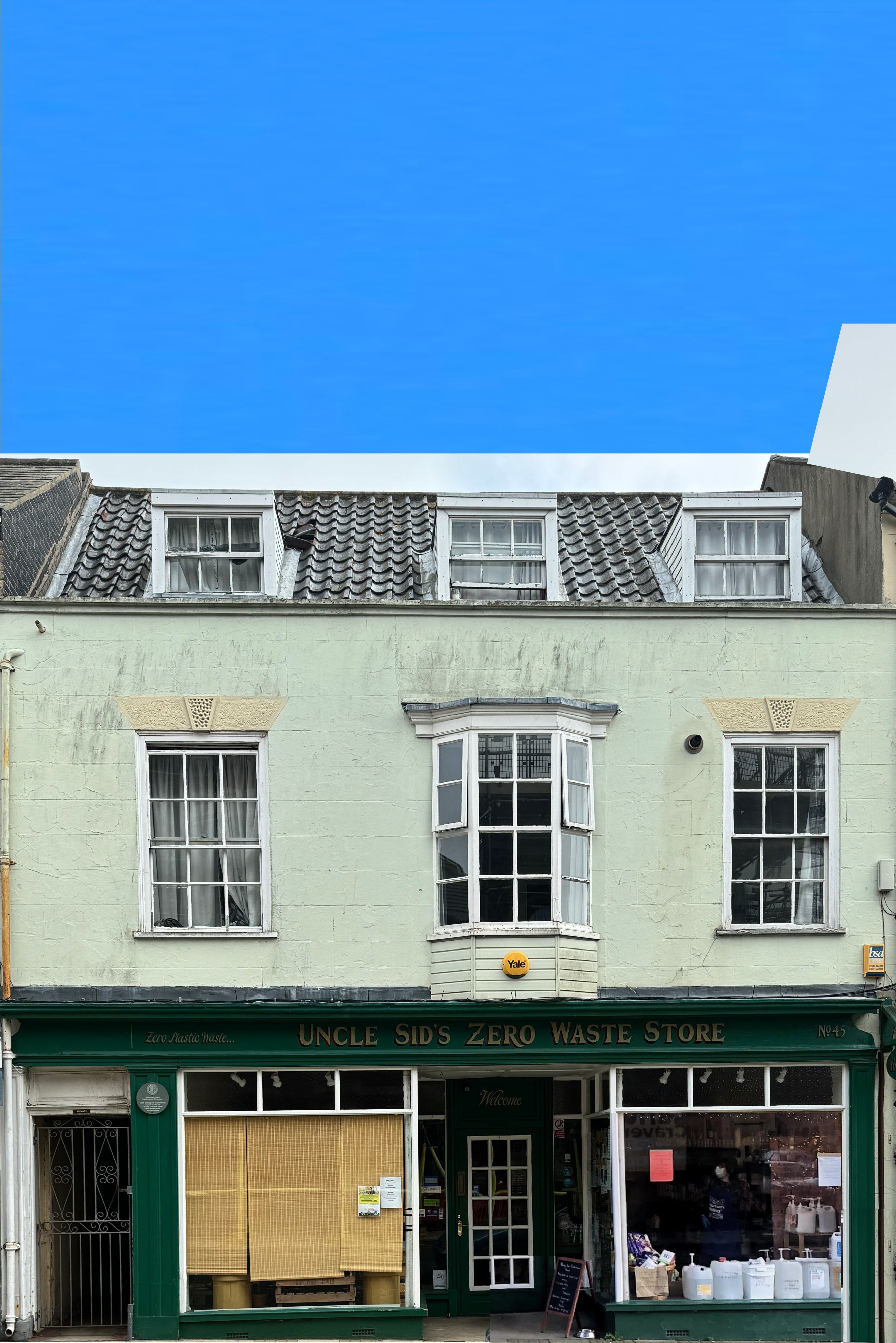
No. 45 High Street's main claim to fame is that it once hosted a King of England - albeit briefly. In January 1737, on his return from a lengthy stay in Hanover (beginning in May, the previous year), George II was forced to be put ashore at Lowestoft, from the vessel in which he was travelling, because of severe sea sickness incurred during stormy weather in the North Sea. His Majesty spent a few hours recovering in the home of Mr. John Jex (merchant) - the house seen here - before proceeding to Harwich by road. His arrival there, being completely unexpected, the town fathers were totally unprepared to entertain him and a lesser panic ensued. The expression "all of a Harwich" became current to describe being "caught on the hop", or being in a muddle, and lasted in East Anglian dialect for some considerable time.
During his period of recovery in John Jex's home, George II made use of a chamber pot to relieve himself and his host either decanted a sample of the royal urine into a bottle, or (more likely) got a servant to do it, and kept this as a souvenir of his guest's short stay.
The Manor Roll of 1618 shows Simon Fifield (shoemaker-merchant) as tenant of the messuage - he who also briefly held Nos. 43-44 from 1628-31 - and he left it to his daughter Ann and her husband Robert Coe (yeoman). It stayed in the hands of the Coe family until 1692, when John Jex's father (also John) acquired it. It passed to his son in 1710, following his death. A listing of copyhold property in the town 1720-25, compiled by the Vicar - Revd. John Tanner - describes the property as "a messuage with yards and fish-houses" - these latter being used to cure red herrings.
From c. 1948-9, until it closed during the late 1970s (?), the house formed part of the Hayes Ironmongery business, with the cellar always proving to be of particular interest - both as a feature in its own right and for the sheer variety of nails, screws and other bits and pieces which were to be found there. CREDIT:David Butcher
Listing Entry | See on Stroll | See on TALL Scroll |
If you look to the extreme right there is a a white building there with a little window that sticks out over the street. We can move down and travel back in time to around about the time of the 1914, the outbreak of World War One and we can see that's the shop that stood there. George Hayes, general ironmonger, for those who are not familiar with the word, was somebody who sold anything that was... I was looking for a way to... metal really. Made of iron, yeah.
We've got, we've got a large bath there. We've got watering cans we've got buckets... If we could climb into this picture and walked into that shop it would be like an Aladdin's cave Interesting features here, if we start at the top, start at the top. That there is, in actual fact the Elizabethan coat of arms of the town of Lowestoft. It's not there any more. We know that this was once a private dwelling house in the 18th century. Mr John Jex who was a wealthy merchant, he lived here.
Back in the early 1700s the King was traveling sailing past Lowestoft to go to London and there was a dreadful storm and there were frightened and the ship would founder so a load of local fishermen went out waded out into the surf picked up the boat, the small boat that the king had been transferred into and carried it on their shoulders, safely ashore where it was greeted by Mr Jex, John Jex who lived in this house and the King spent, apparently, spent the night there. Other interesting features by the pavement on each side of the entrance to this shop you can see what appeared to be small windows. These are in actual fact openings into the cellars of the building. It would provide light and also when it was a house or possibly even while it was a shop. Again, there's no rear access to this property unless you climb the cliff up the steps and that. Go back into the day when the main fuel being used was coal coal would need to be delivered to these places and quite often the coal would be shot down a ramp here into the cellar below.
And they're a feature, a very very common feature of that time. And of course to get to the back of the house there's the inevitable passage taken you through and round into the yard at the back of the house on the east side of High Street.
There we are. That's the same. We can see some of the notable changes there. For instance the lights leading into the two basements have gone they've been bricked up and just air bricks have been built into their place.
The coat of arms has gone and there's a burglar alarm in its place. And for the sake of privacy a lockable gate has now been put on to the, the side. CREDIT: Ivan Bunn from transcript - Poetry People - High Street Histories
Surviving internal timber framing
Vestigial evidence of probable mid-late 16th century origins. This is the house in which John Jex (merchant) hosted George II during the year 1737, when the latter (on a return journey, by sea, from Hanover) was put ashore in heavy weather suffering from sea sickness. After a period of recovery, he was taken by coach to Harwich - and, from there, to London. CREDIT:David Butcher
TM5593NW HIGH STREET 914-1/8/26 (East side) 03/10/77 No.45
GV II
Shop with flats above. C16 origins, re-built early C19. Stuccoed brick. Roof of black-glazed pantiles. 2 storeys and dormer attic in 3 bays. Late C19 full-width plate-glass shop front with central C20 door. Entrance to passage to rear is to left. The first floor is lit through a central canted-window bay fitted with C20 top-hung casements. One 6/6 sash right and left under skewback arches with key-blocks. Parapet. Gabled roof with 3 flat-topped dormers with C20 sashes. To the rear is a 2-storey cross wing under a C20 Mansard roof. The details are all late C20. INTERIOR. Cellar has a blocked shute from street. Boarded ceiling. Triangular lamp niche. Upper floors not inspected. CREDIT: Historic England
Add new comment