
Police Station Road
Current

2 Regent Road
Lowestoft
NR32 1PA
United Kingdom
The building seen dominating this picture, which stands on the corner of Regent Road and Police Station Road, was once Lowestoft’s centre of law enforcement
History
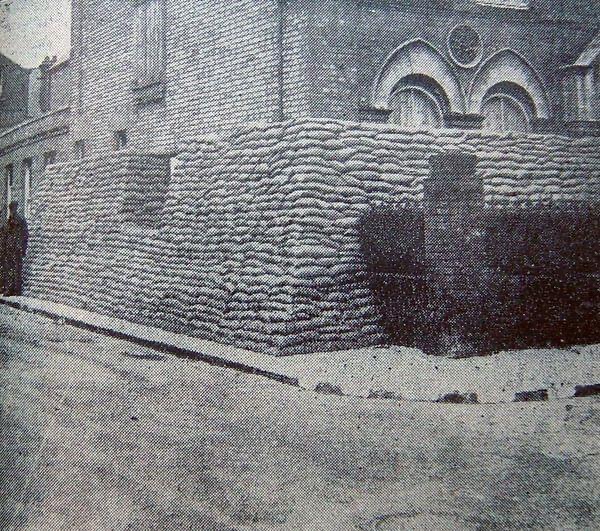
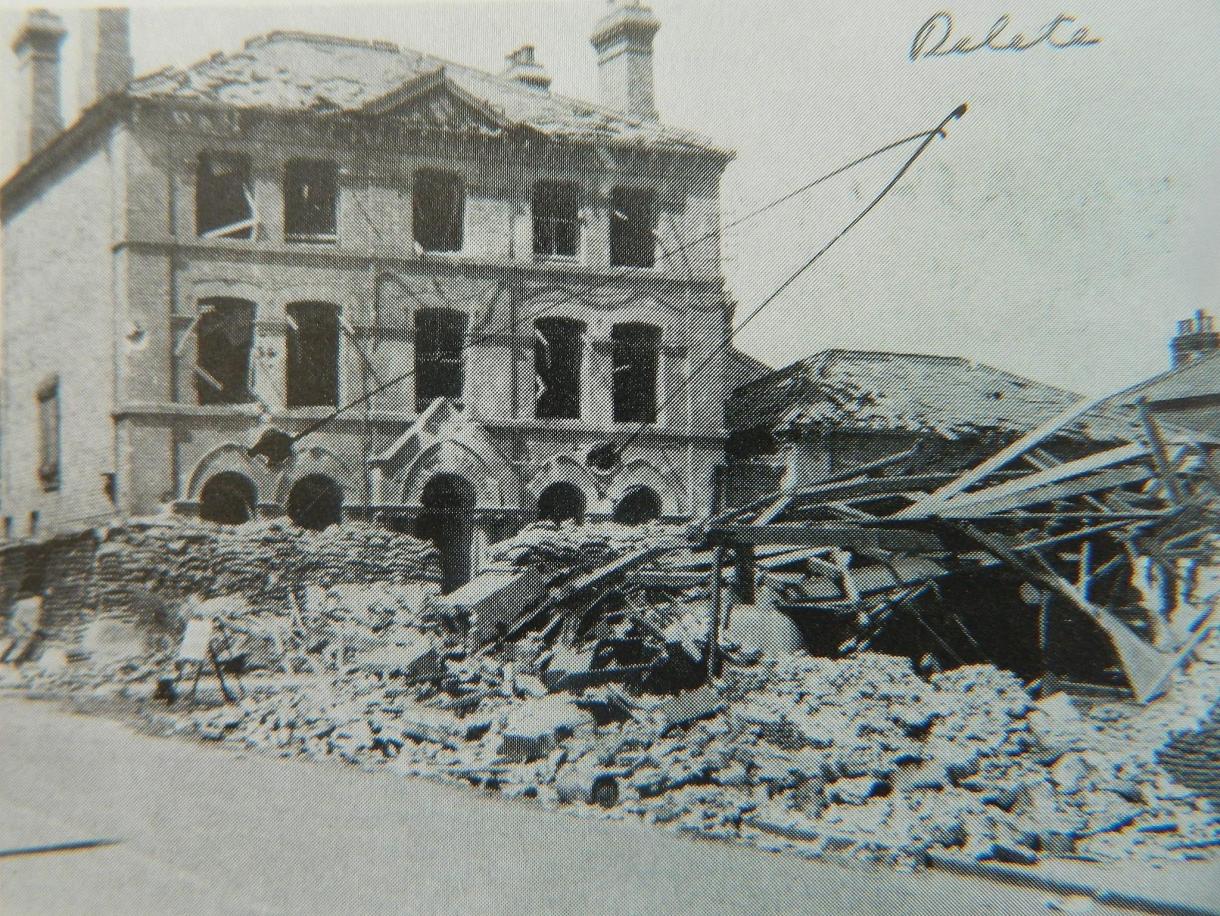
The building seen dominating this picture, which stands on the corner of Regent Road and Police Station Road, was once Lowestoft’s centre of law enforcement - becoming redundant when the new Headquarters on Old Nelson Street opened in June 1979.
The main structure, as it appears here, is typical of the late Victorian period, with fine white bricks laid in Flemish bond (alternating headers and stretchers) and with the tall, central, double window serving two floors providing a most distinctive feature on the facade. If the whole elevation (and the rest of it) were able to be cleaned, it would be something to behold.
It is always difficult to get the right balance when modernising something from an earlier period, but the fenestration here doesn’t really sit comfortably with its surrounds - especially the four ground-floor windows, with their large expanses of glass and their noticeably contrasting glazing-bars. Enough of that - and time to turn to the Police Force itself. Robert Peel, the Home Secretary, had inaugurated a regular body for London on the implementation of the 1829 Metropolitan Police Act, and this was followed ten years later by the County Police Act (al. Rural Constabularies Act) of 1839 - the latter allowing the setting up of regular police forces in the country as a whole.
East Suffolk established one in 1840 (followed by West Suffolk in 1844) and Lowestoft’s would have followed on the back of this. Major Peter Allez, a retired Army officer and native of the Channel Island of Guernsey, was appointed as its first superintendent, with one inspector and three constables below him already in post (see Jack Rose’s Lowestoft pp.40-1). In earlier times, when manorial government was in operation at grass-roots level (notably from the late 16th to late 18th century, with excellent records for the town surviving to provide information), four parish constables were elected at the annual leet court, which dealt with misdemeanour and infringement of the manorial rules and appointed various officials to order and serve the community.
With the population of that two-hundred-year period starting at about 1,500 people and rising to something around 2,200 or more, four constables may seem to have been a little excessive - especially at the earlier end - but the probability is that each of them served a period of three months before handing over his duties to one of the other men elected.
Those appointed usually came from the upper levels of local society, being merchants, yeomen or master craftsmen, but leading mariners were also selected from time to time (meaning that they would have to put seafaring to one side, while they tried to maintain good order in the town). Surviving poor relief records dating from the mid-17th century to the early 18th also show four overseers being elected annually from the upper levels of Lowestoft society and these accounts definitely show that the period of office for all of them was three months - mariners again included.
Add new comment