A View from the Editorial Trenches
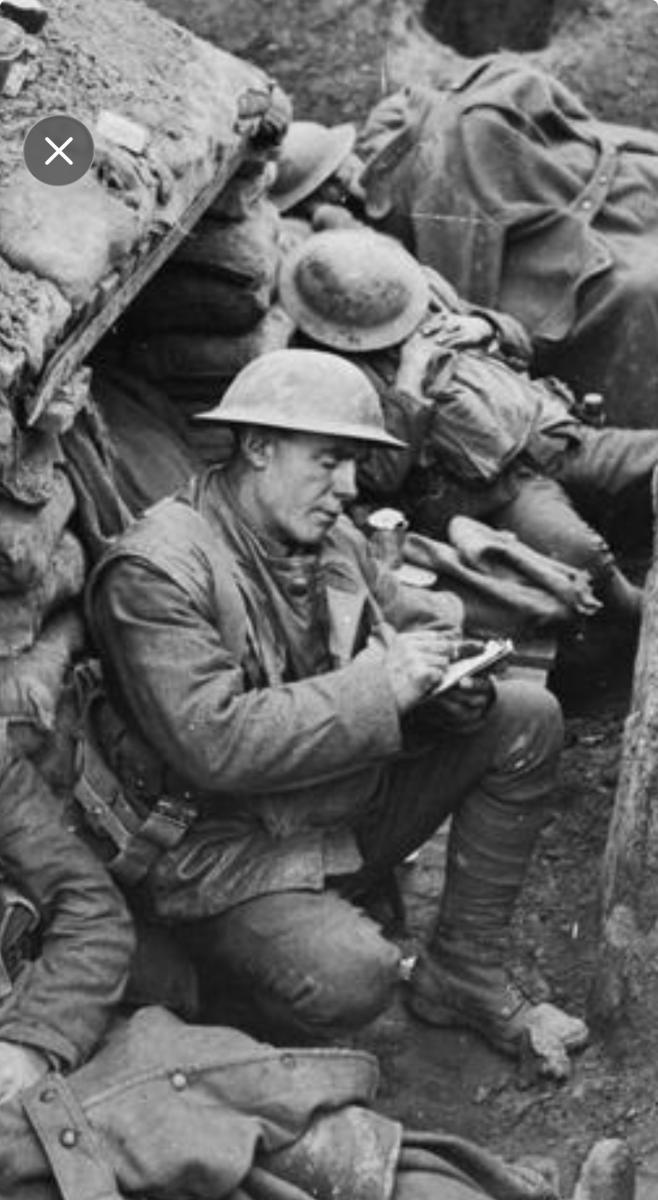
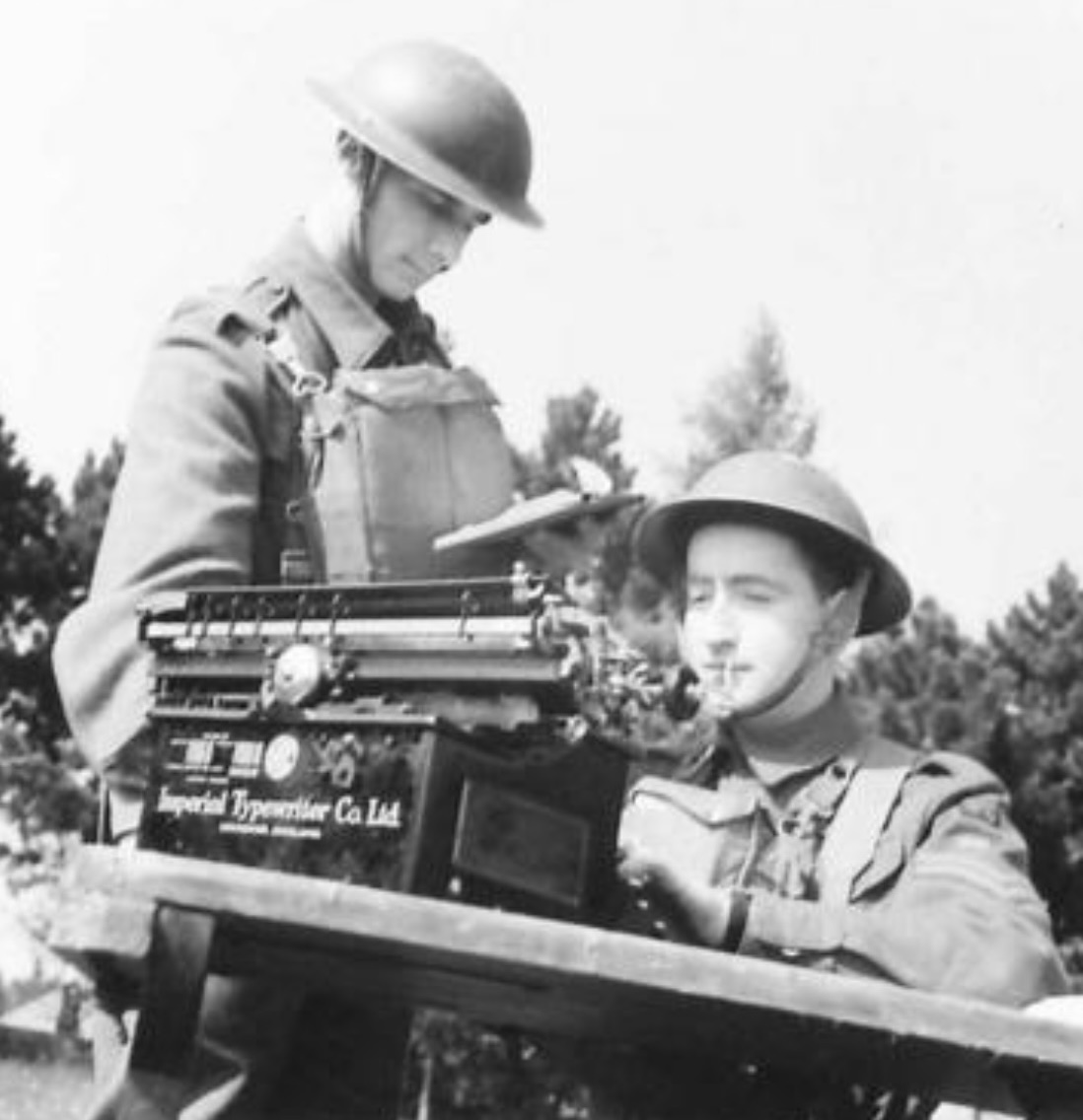
After working through thousands of biographies, something unexpected began to happen. The statistics disappear and individuals emerge.
I stopped seeing “over two thousand casualties” and instead met neighbours, apprentices, fishermen, shop assistants, schoolchildren, nurses, sailors and brothers. A familiar street becomes a place where several families shared the same loss. A faded photograph ceases to be an anonymous face and becomes someone whose story can once again be told.
One lesson has remained constant throughout our project: history rarely advances through spectacular discoveries. More often, it progresses because hundreds of small, reliable pieces of evidence quietly agree with one another. A census entry confirms an address. A newspaper cutting explains a family tragedy. A service record gives meaning to a photograph. Piece by piece, lives begin to reappear.
That process demands patience, but also restraint. Every project reaches moments where it is tempting to bridge a gap with assumption or to tell a more complete story than the evidence allows. The real discipline lies in resisting that temptation. The purpose of Our Fallen has never been to tell readers what to think about war, nor to force a particular interpretation upon the past. Its strength lies in allowing carefully gathered evidence to speak for itself.
What I hope will impress readers/ online viewers is the way creativity has been used, not to embellish history, but to reveal it. Interactive maps, restored photographs, QR codes, linked streets, ships and families, and carefully designed visualisations do not replace traditional research. They simply help people discover it. Making history easier to find is, in its own way, an act of preservation.
Perhaps that is the most encouraging lesson of all. Every generation develops new ways of exploring old evidence. The tools will continue to change, but curiosity, careful research and intellectual honesty remain timeless.
Ultimately, this book is far more than a catalogue of names. It is a reminder that history is built from countless ordinary lives, patiently rediscovered. If readers close these pages feeling they have met people rather than merely read about them, then everyone involved in Our Fallen will have succeeded.
United Kingdom
Add new comment