
Muster Roll (1584)
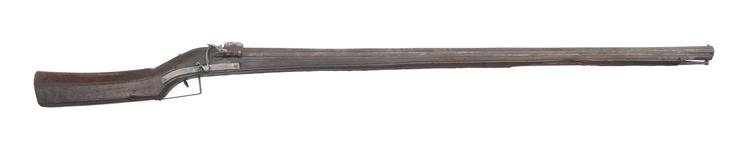
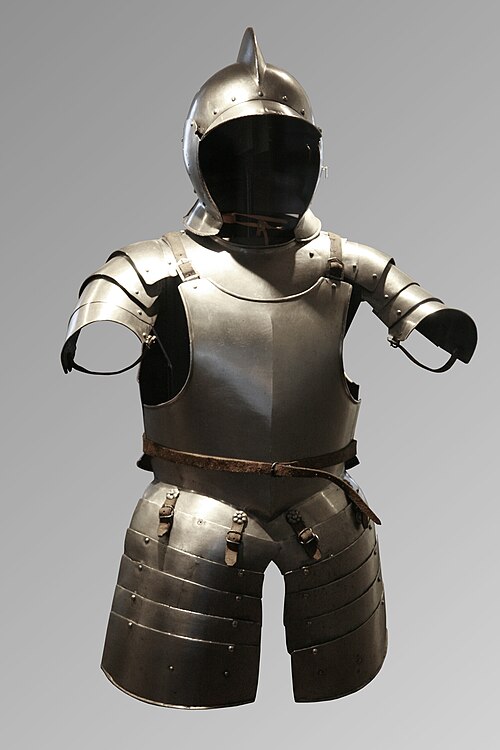
The national Muster Roll of 16 January 1584 (1583, by Julian Calendar reckoning) was a head-count of all adult males in England between the ages of sixteen and sixty, taking into account their military capability in terms of the weapons they held. It was carried out in anticipation of a possible Spanish invasion, launched across the North Sea from the occupied Netherlands (see Lothingland Invasion Scare of 1584,elsewhere, in the History pages of LO&N). As with the earlier 1535 Muster, it was carried out county by county by Commissioners appointed by the Crown, with each shire’s hundreds and half-hundreds being assessed by their own duly appointed constables and those of the individual parishes themselves. For some reason, the Lowestoft and Gunton head-count was not carried out until on, or after, 25 March (no specific date given) – the start of the year 1584, at the time. One possible reason for this was the size of the town, at the time, being around 1400-1500 people.
The letters appended to each man named represents his level of fighting capacity and expertise – which was probably meant to show his physical capability and the particular armaments he had in his possession. As with the 1535 Muster Roll, the letters aa and a indicate “principal archer” and “able archer”, with aaa referring to a level of expertise seemingly of an even higher standard. The use of bb and b stand for “principal billman” and “able billman”, with bbb again apparently showing greater military standing. There are then letter combinations which don’t appear in the earlier document: c, cc, ccc and cccc; plus pp and ppp. But, with no information given as to what these particular letters mean. Neither do the weapons held by the men give any indication. And nor do all of these means of identification always match the weapons held. For instance, just as a couple of examples – the first two encountered – Thomas Aynsworthe is classified as a “principal archer” but has body armour and an early type of musket and Roger Rant is noted as an “able billman” but shown having the same equipment as Aynsworthe.
Further appendages found, to the immediate left of the names – as with the other identifying letter combinations – include absit (not present in town, at time of survey), blinde (no sight), cunstable (parish office) egrotat (ill/sick), piner (labourer, possibly) and senex (aged/old). The list of Lowestoft men, as recorded, is presented here in tabular, three-column form (rather than in the original line by line layout) for ease of reading the information.
Christian name abbreviations given as follows in the 1535 Muster by the document’s transcriber.
Chas. – Charles Edm. – Edmund Edr. – Edward G. – George
H. – Henry J. – John Jas. – James Nich. – Nicholas
Ric. – Richard. R. – Robert Thos. – Thomas W. – William
Lowestoft.
The Muster booke of the towne of Lowestofte within the halfe hundred of Lothyngland in Rantes and Berries precincks [precincts] 1584
| J. Hoe,gent. [gentleman] | A 2 corselet furnished, a caliver furnished [provided] and a archer furnished | |
| bb. | R. Danye [Denny?]. | |
| bb | R. Parker. | |
| aa | W. French. | A corselet furnished, a coat of plate, a bow and sheffe [sheaf] of arrows. |
| aa | Thos. Aynesworthe. | A corselet furnished and a caliver furnished. |
| b | Thos. Wide. | |
| cc | R. Stebbing. | |
| cc | Jeffrey Jordan. | |
| ppp | Ric. Burye. | A one corselet and a caliver furnished. |
| b | Rog. Rant | A one corselet and a caliver furnished. |
| aaa | W. Rantt } | |
| ccc | W. Wright } | |
| ccc | Edm. Swifte } servants | |
| ppp | H. Mayes } | |
| ppp | J. Johnson } | |
| bb | Rog. Hall[Hill]. | A caliver furnished and a almon rivet furnished, a bow and sheffe of arrows |
| b | Simont [Simon] Welles. | A corselet furnished |
| ppp | J. Wells, filius [son]. | |
| pp | Thos. Humfry, servant. | |
| aaa | Thos. Coppynge. | A byll [bill] and salet. |
| ppp | Jas. Sympson. | A byll. |
| ppp | W. Burgis. | A skull, bill, sword and daggarde. |
| ppp | Peter Goslynge. | A boweman furnished. |
| aaa | J. Rysyng | A boweman furnished. |
| cc | G. Britane [Britten]. | a caliver furnished. |
| cc | W. Esbrante. | A caliver furnished. |
| bb | Thos. Harlyng. | A byll, skull. |
| b | J. Lawne. | A byll, skull. |
| cc | Barwicke Whissell } | |
| cc | Edr. Harryson servants } | |
| ppp | R. Bonet. A | |
| pp | Edm. Burward. | A bowman furnished. |
| aa | R. Rod. | A byll. |
| b | Mathew Bedos [Bedow]. | A pyke, Morrion, sword and daggard. |
| bb | Mathew Burwarde. | A boweman furnished. |
| cc | Simont Page. | A boweman furnished. |
| bb | John Dye. | A byll. |
| cc | Edr. Daken. | A byll. |
| bb | Jas. Towne. | A calyver furnished. |
| cc | Allin [Alan] Bottefant. | |
| ppp | Raphe [Ralph] Wolton, servant. | |
| cc | Mathew Towne. | |
| cc | J. Boner [Bonner]. | |
| ppp | Steven Sharlowe. | A byll. |
| ppp | W. Chipcheise {Chipchase]. | A byll and a morrion. |
| c | R. Aldrin. | A byll. |
| cc | Thos. Ward. | A a coate of plate furnished. |
| aaa | Ric. [Richard] Wollyinge. | A a byll. |
| c | Edm. Carter. | |
| W. Felton. A. | ||
| ppp | Martyne [Martin] Crabtree. | A byll. |
| blinde | Ambrose Kynge [King]. | A caliver furnished and a holbert [halberd]. |
| aaa | Jas. Mighells. | A corselet furnished. |
| cc | Raphe Smith. | A. |
| bb | J. Manclarke. | |
| ppp | Edr. Gylbancke [Gilbank]. | |
| Ann Gyrlyng [Girling] vid. [L. vidua = widow] | A a coat of plate furnished. | |
| egrotat | W. Davye. | A corselet furnished. |
| ppp | Thos. Taylor, servant. | |
| ppp | W. Daken. | A boweman furnished. |
| cc | G. Fyfeilde. | A boweman furnished. |
| cc | H. Blancher, servant. | |
| cc | Nich. Sqier [Nicholas Squire]. | |
| ppp | Edr. Dawte. | |
| aaa | R. Doe. | A bowe and sheffe of arroiws. |
| cc | Thos. Mentyn servant. | |
| c | G. Morphew, servant. | |
| ppp | Ric. Welles. | A caliver furnished. |
| b | Rowland Erckle [Earkell]. | A byll, skull cappe. |
| cc | Abraham Todde. | A byll, skull cappe. |
| ppp | Steven Burwell. | A boweman furnished. absit. |
| cc | J. Phillip. | A byll, skull cappe. |
| cc | J. Ellis. | A. |
| aa | J. Mathew. | A bow and sheff of arrowes. |
| ppp | Mathew Witchingham. | A byll sallet sword and daggard. absit. |
| senex | J. Grudgefeild. | A coate of plate furnished. |
| cc | W. Mewse. | |
| aaa | J. Scarfe. | A morrion and a pyke. |
| cc | Jeffre [Geoffrey] Vustonson, servant. [Possibly Dutch.] | |
| b | Thos. Jagges [Jex]. | A byll, skull cappe. |
| bb | J. Synderton. | A bowe, sheff of arrows. |
| absit | W. Knowles. | |
| Margaret Couldham vid. [widow]. | A coate of plate furnished. | |
| cc | G. Wisit [?]. | A byll, skull cappe. |
| b | W. Byles. | |
| b | R. Parker, servant. | |
| bb | W. Bamforth. | A morrion and a byll. |
| pp | Thos. Eache. | A bowman furnished. |
| b | Sam. Eache. | |
| b | Ric. Smythe. | Corselet furnished and coate of plate furnished |
| ppp | Myles Gaggart } | |
| aa | J. Elwin } servants | |
| piner | Thos. Kempe } | |
| piner | Antony [Forename or surname?] | |
| cc | Edr. Carbell gent. [gentleman] | A byll, skull cappe. |
| ccc | Oliver Harlyng, single man. | |
| cc | Bartholomew Wollard, single man. | |
| bb | J. Bransome. | A holberte. |
| cc | Garrad Kirckman. | A byll. |
| ppp | Abraham Turnpenye. | A byll and sellet [sallet]. |
| ccc | J. Witchingham, saylor [sailor]. | A byll. |
| bb | J. Witchingham, smith. | A bow and sheff of arrowes. |
| ppp | Thos. Mewse. | A byll and salet. |
| b | W. Taylor. | A bow and sheff of arrowes. |
| senex | R. Woode. | A byll. |
| ppp | Dawson Felip [Philip]. | A byll. |
| b | Edr. Baldrye. | A b yll. |
| ppp | W. Welles. | A boweman furnished. |
| ccc | W. Woodshet. | A. |
| cc | W. Barret. | A b yll. |
| bb | Christopher Preston. | A bow and sheffe of arrows. |
| absit | G. Bugges. | A byll. |
| ccc | W. Wheldalle. | A byll, skull cappe. |
| pp | J. Mendly. | A byll skull cappe. absit. |
| aa | J. Bootye, servant. | |
| pp | H. Hammond. Singleman. | |
| pp | J. Parker. | A bowe and sheffe of arrowes. |
| b | Walter Parke. | |
| b | Thos. Stoneham. | |
| bb | Raphe Fayerchilde [Fairchild] | A allman ryvit [rivet] furnished. |
| b | J. Goddard } | |
| b | H. Bramson } servants. | |
| absit ppp | J. Foxe. A. | |
| cc | Peter Beningfeld [Bedingfield]. | A byll. |
| b | J. Gaze. | A byll and salet. |
| b | J. Beel, servant. | |
| b | W. Arnold. | A bowman furnished and an allmon rivet furnished. |
| aa | J. Cowell. | |
| b | Ric. Barret. | A pyke and a morrion. |
| senex | Thos. White. | A byll. |
| ppp | R. Medlye. | A byll |
| b | Edr. Wollward. | A byll. |
| bb | J. Arnold. | A corselet furnished, a almon rivet furnished and a caliver furnished. |
| cc | J. Arnold filius eius [Latin, his son.] | |
| cc | C. Cadwell. | A byll. |
| cc | J. Bowlton. | A byll. |
| bb | W. Standelond [Standiland]. | A byll salet. |
| cc | R. Standeland } | |
| b | J. Tompson } servants | |
| bb | R. Smith, saylor. | |
| b | Thos. Bellman. | A byll and skull cappe. |
| aa | Hugh Evered. | A bowe and sheffe of arrowes. |
| cc | Ric. Knolles | A byll sword, and daggard. |
| c | J. Holland. | A bowe and sheff of arrows. |
| cc | J. Green. | A caliver furnished. |
| ppp | Thos. Burges. | A byll steele cap. |
| cc | J. Burges, servant. | |
| ppp | Benet Mayor. | A byll. |
| ppp | W. Docker. | |
| cc | W. Grudgefeild. | A caliver. |
| ppp | R. Taylor. | |
| senex | Edr. Wood | A coate of plate, steele cap. |
| cc | J. Person [Pearson]. | A. |
| ppp | W. Lillham. | A byll. |
| ppp | J. Drawer. | A caliver furnished. |
| ppp | J. Bissicke. | A byll, skulle cappe. |
| bb | Carris Joyce. | |
| b | Ric. Gardicke. | A byll. |
| b | Ric. Sellyng. | A byll skull. |
| b | Thos. Grudgefeild. | A caliver. |
| ppp | W. Walter. | A byll skull capp. |
| bb | J. Palmer | |
| cc | Mark Pacy. | A caliver. |
| cc | Christopher Tolly servant. | |
| ppp | Ric. Mighell. | A caliver furnished. |
| bb | W. Baryngforth. | A boweman furnished. |
| b | Jas. Gosse, servant. | |
| b | R. Barnard. | A boweman furnished. |
| c | Laurence Bellman. } | |
| c | J. Atton } servants | |
| c | W. Garret } | |
| ppp. | Ri. Gunton. | A byll |
| egrotat | Ric. Payne. | A a corselet furnished and a caliver furnished. |
| ppp | Thos. Mildrome [Meldrum]. | A pyke and a morrion. |
| Margaret White. | A coate of plate, a bowe, a sheffe of arrowes. | |
| b | J. Wilson. | A byll. |
| ppp | W. Gooch, sayler. | A. byll. |
| ppp | J. Grudgefeild junior. | A a bowe and sheffe of arrowes. |
| cc | W. Tompson. | A byll. |
| b | J. Catten. | A byll. |
| b | Gonner [Gunner] Johnson. | A byll. |
| ppp | W. Winter. | A byll. |
| ppp | W. Benslye. | |
| cc | Nich. Fletewood. | A byll, skull cappe |
| bb | Francis Bramson. | A byll, skull cappe. |
| pp | Thos. Cove, servant. | |
| ppp | Andrew Storye. | A byll. |
| ppp | Nich. White. | A byll. |
| aa | J. Rushton. | A byll. |
| bb | R. Lete. | A byll. |
| b | Edm. Gylles [Giles]. | |
| cc | Christopher Watson. | A caliver furnished. |
| b | J. Harborne. | A pyke, bow, and sheff of arrowes. |
| b | Nich. Bedo [Bedow]. | A byll. |
| cc | J. Lyster. | |
| ccc | W. Raynold [Reynolds], sayler. | |
| aaa | J. Youngemanne [Youngman]. | A byll and a salet. |
| aaa | Thos. Clementes. | A byll. |
| ppp | W. Wright, sayler. | |
| b | Francis Perke. | A byll. |
| b | George Harrison. | A. |
| ppp | Thos. Huggins. | A byll. |
| b | J. Mandy [Maundy]. | A byll. |
| cc | Thos. Bellwarde. | A byll. |
| cc | W. Browne. | A byll. |
| b | Edr. Yoll [Youell]. | A byll. |
| b | Thos. Otewell. | A byll. |
| b | Edm. Hutson. | A byll. |
| aaa | J. Poynter. | |
| ppp | Nathanael Branche. | A byll. |
| senex | Lewes Wyckes saylor. | |
| cc | J. Tompson. | |
| ppp | Nich. Holle. | |
| Agnes Annot vid. | A corselet furnished. | |
| bb | Giles Browne. | |
| bb | W. Tollye. | A morrion, pyke, sword and daggard. |
| senex | W. Browne. | A byll. |
| bb | J. Humfrye. | A byll. |
| bb | J. Fisher. | |
| ppp | J. Nurse. | |
| bb | J. Carre. | A archer furnished. |
| b | W. Turrer } | |
| bb | Ric. Carre } servants. | |
| aaa | Steven Hart. | A bowe, sheff of arrowes. |
| ppp | Gilbert Wilson. | |
| senex | J. Bowle. | A byll, skull. |
| cc | Nich. Smyth. | A coate of plate furnished. |
| b | Edr. Crosyer. | A byll. |
| ppp | W. Thurste. | |
| ppp | W. Osborne. | A byll. |
| ppp | Ric. Ireland. | A byll, sheff of arrowes. |
| bb | Isaac Fayer. | |
| aa | R. Bedingfield. | |
| b | J. Dawson. | |
| b | J. Thomas. | |
| aa | Thos. Mason. | A byll. |
| bb | Thos. Gray, single man. | |
| ppp | Gregorye Davye. | A byll. |
| cc | J. Waters. | |
| cunstable | W. Wilde. | A caliver furnished, |
| ppp | W. Make [Meeke?]. | |
| cunstable ppp | W. Perse [Pearce]. | A byll and a sallet. |
| aa | Thos. Smith. | A bowman furnished. |
| aa | Thos. Hudden [Hutton/Utting]. | A bow and sheff of arrowes and a steele cappe. |
Finis de Lowestofte.
The document above was transcribed by E. Powell, using the Calendar of State Papers Domestic, Eli abeth, vol. 167, 25 (as it was catalogued then, at the former Public Record Office) and published in the Proceedings of the Suffolk Institute of Archaeology and History, vol XIX, pp. 65-70 (1925).
Weaponry referred to
• Almain(e) rivet (4) – flexible body armour invented in Germany c. 1520, consisting of breastplate, backplate and laminated thigh-guards. Almain is an English variant of the French word Allemand, meaning a German man.
• Bill (82) – hand-held pole weapon, five to six feet in length, with curved steel cutting head having a claw to the rear and a sharp spike protruding from the top. Basically, a hedge-bill converted to close encounter military use.
• Bow (17) – the English longbow, made of yew wood and some six feet in length, with drawing power of about 100 pounds or more.
• Caliver (17) – a lighter type of musket not requiring use of a resting-fork. Ownership of this weapon limited to the merchant and mariner elements of society.
• Coat of plate (8) – body armour consisting of overlapping pieces of steel riveted together inside a jacket of stiff linen or leather.
• Corselet (12) – light steel body armour, consisting of front-plate and back-plate, with hinged sides to enable its use.
• Daggard (5) – archaic form of dagger. Accompanied by a sword in all five cases.
• Halberd (2) – hand-held pole weapon similar to the bill, but with larger, straight-edged cutting head. Still carried ceremonially by Yeomen of the Guard at the Tower of London.
• Morrion (7) – steel helmet, with prominent crest surmounting it and running from front to back. Originated in Spain during the early 16th century. Often associated with the Conquistadores.
• Pike (6) – long hand-held spear, varying in length from ten to twenty feet. A close– formation battlefield weapon for both defence and attack.
• Sallet (6) – steel helmet, with extended back-piece for neck protection.
• Sheaf (17) – a bundle or quiver of twenty-four arrows.
• Skull (cap) (18) – close-fitting steel helmet of no particular identifying name.
• Steel cap (3) – as immediately above
• Sword (5) – accompanied by a dagger in all five cases.
Numerical analysis of those named
• 244 people recorded (240 men and 4 women – three of the latter being widows).
• 32 male servants named.
• 91 men shown as having no weapons (including the 32 servants).
• 24 archers indicated (aa or aaa), using the 1535 identification. Only 8 men are shown as being equipped to function as such.
• 74 billmen indicated (b or bb), using the 1535 identification. A total of 27 are shown as having bills, while three others had pikes and one individual a halberd.
•7 men classified as old (past fighting age).
• 6 men absent from town named.
• 6 sailors referred to by name.
• 2 men classified as being ill.
• 2 men described as piner (labourer?).
• 2 men named as parish constables, in addition to the two authenticating the Muster at the end of the list.
• 2 men have no description of any kind.
• 1 man named as being blind.
• 4 women named, with 3 of them being widows.
• 62 men carry the letters c, cc, ccc and cccc – the last only being used once and which may be an error.
• 62 others have pp or ppp attached – the latter being predominant.
• All four a, b, c and p classifications have men with no weaponry referred to and servants are to be found listed in all of them.
• The c, cc, ccc, cccc and pp, ppp classifications cover a wide range of men and weaponry without any hint as to what they indicate.
Explanatory notes
• Lowesoft and Gunton came last of all in the Lothingland list, as referred to in the Introduction (the latter having only ten men recorded).
• The next most populous community to Lowestoft was Gorleston, with 100 individuals listed – compared with Lowestoft’s 244.
• Use has been made of square backets, mainly to give more common versions of surnames (where these are known from other documentary sources).
• The punctuation, as used throughout, is the format employed in Muster list.
• Use of the final -e on the ends of surnames (e.g. Danye and Burye) was very much standard practice of the time.
• So was the use of y as a vowel, instead of i.
• A certain number of the men recorded here do not feature in parish register entries and may therefore have consisted partly of young unmarried males working in the town on a transitory basis, before moving on to somewhere else.
• Both servants and sailors may have been identified by occupation because the pattern of their work was sometimes of a transitory nature, taking them out of town either temporarily or permanently.
• Many of the servants listed would have been young males below the average age of marriage (c. 26 years for men and c. 25 for women) and a substantial number of them would have been trade apprentices rather than domestic helpers – there being little distinction at this time between the two groups. Apprenticeships for boys could start as early as eight to ten years old (especially where the father had died) and last for seven to ten years, depending on the nature of the trade and its complexity.
• Age of marriage was at least partly determined by the end of apprenticeship and the length of time then needed by a journeyman and his intended partner to earn and save enough money to set up home together.
• Whereas the 1535 Muster recorded local military manpower in terms of archers and billmen only, the 1584 Survey shows a much greater variety of weaponry – including firearms. The calivers listed being an early type of arquebus, or musket, which belonged almost exclusively to merchants and mariners, probably for use at sea in defence of trading and fishing vessels. Next in order with this particular weapon, in the Half-hundred of Lothingland, came Gorleston with eleven examples – and with the maritime factor almost certainly playing a part there also.
• It has to be said that if the feared invasion of Lothingland (during 1584) from the Spanish-occupied Netherlands had ever taken place, the local militia on its own would have been no match for the Duke of Alva’s professional troops. Either in terms of numbers or armaments.
• The four women recorded might all have been widows (three are noted as being such), with the equipment listed having belonged to their deceased husbands.
• Ann Girling was a wealthy woman who was to leave her house, barn and yard near Lowestoft market place in the hands of trustees (will dated 8 June 1584), so that rents from the property could be used to supply poor people with wood billets for winter fuel. Margaret Couldham (merchant’s widow) ordered her executors to spend £40 on the purchase of lands, the rents from which were to fund a wood and coal charity (will dated 23 March 1584). Margaret White was member of a family of mariners and fishermen. And Agnes Annot was the widow of Thomas Annot (merchant) – the man who had founded the town’s Free Grammar School in June 1570.
• Rychard Berye (yeoman) and Roger Rant (baker), named as Lowestoft’s chief constables, show that the former was sufficiently literate to be able to sign his name – while the latter was not of the same educational level and used a mark of some kind (the symbol X being the commonest form). His family gave its name to Rant Score, once having owned property there, to the south of it.
• Berye [Berry] also shows the use of variant spelling seen throughout the whole of the list by being given as Burye, in ninth place of the overall order.
• Two other constables are named, almost at the end of the Muster list: William Wilde (merchant) and W. Perse (William, also, most likely). Four constables were elected annually at the manorial leet court – held on the first Saturday in Lent – with each of them probably serving a three-month term of office.
• The word “furnished”, which features regularly throughout the whole of the Muster list, had two meanings at this time. The first is “provided” and the second denotes that each man so named was fully equipped.
• The population of Lowestoft in 1584 (using parish register data as the means of calculation) was in the region of 1,500. At the time of the 1535 Muster List – using the 1524-5 Lay Subsidy figures – it was around 1,000-1,100.
CREDIT: David Butcher
United Kingdom
Add new comment