
NOT HOME FOR CHRISTMAS
.. NOT HOME FOR CHRISTMAS
On 15 December 1914 the sailing trawler Queen of Devon left Lowestoft for the fishing grounds. It was reckoned that the vessel would be home on 22nd December, the Tuesday before Christmas.
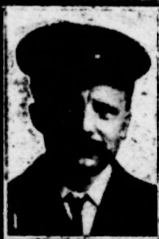
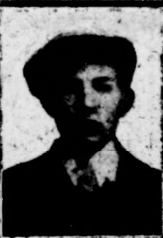
The Queen of Devon set sail with four crew: Skipper Arthur Collins, age 38; George Critten, age 44, the Mate; George Church, age 40, the Third Hand; and Arthur Collins, the Deck Hand and the Skipper’s son, age 16. They did not have a cook on board. Mr. White, part-owner of the trawler, had offered to find them a cook when they set sail, but the Mate said they did not want one.
We can only imagine the scene at Lowestoft when the Queen of Devon failed to return. Three of the four crew were married men and, in the case of Skipper Arthur Collins, the fact of his son sailing with him must have made things even more worrying for his wife Johanna.
Most of the crew were experienced fishermen. Skipper Arthur Collins, Mate Critten and Third Hand Church, had all been working at sea for over 20 years. Young Arthur Collins had left Saint John’s School on 22 February 1912 and a marginal note in the school register says‘Gone to sea’. Their families would have understood the unpredictable nature of the sea and weather and, perhaps, viewed the late arrived of the Queen of Devon as a run of the mill occurrence, just something to be expected in the fishing industry.
In truth there was a danger at sea that was only beginning to be understood in the first few months of World War One: the naval, or sea, mine. Mines were laid in shipping lanes and along coastal stretches with the intention of sinking enemy shipping. They were indiscriminate: a mine could not tell the nationality of any vessel it came into contact with. It is not possible to say, with accuracy, how many mines were laid in the North Sea, but during the whole of World War One the figure ran into the tens of thousands. The first known Lowestoft ‘victim’ of a sea mine was the drifter Eyrie which had been sunk by a mine on 2 September 1914. But the Eyrie was a requisitioned vessel, sailing under the flag of the Admiralty: the Queen of Devon was not. Rather the Queen of Devon was a trawler carrying men going about their work of fishing the seas, men who unfortunately would become casualties of the war.
Deck Hand Arthur Collins, aged just 16 when he died
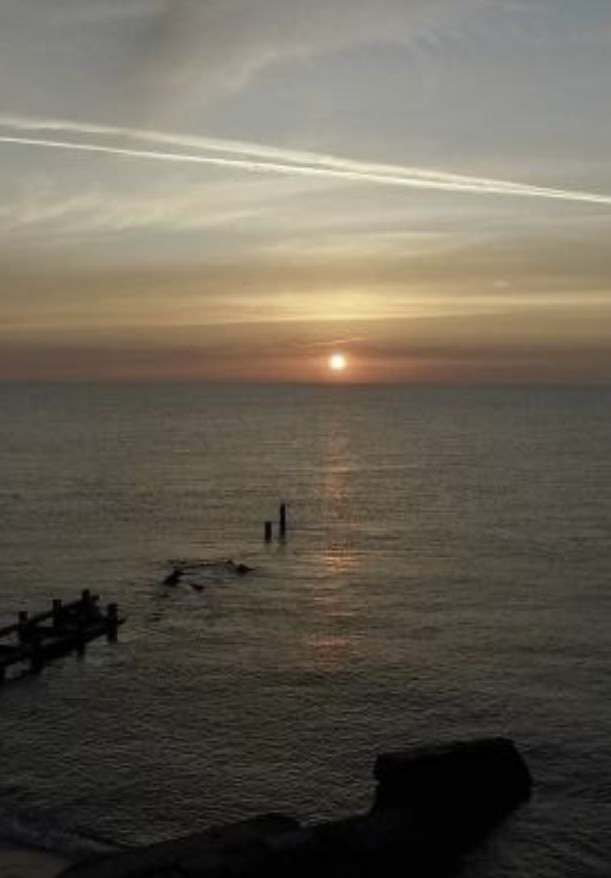
On 20 December 1914 Harry Howe, Skipper of the Sis, saw a vessel blown up about 55 miles East by North of Lowestoft, He knew from the vessel’s sails that it was a Lowestoft trawler. At an enquiry to the fate of the Queen of Devon a statement from Skipper Howe was read out:
At 1.30 p.m. I was on deck, and saw a Lowestoft smack three-quarters of a mile off, with her gear down. She was towing on the starboard tack, and being right ahead of us we couldn’t see her number. Suddenly we heard an explosion, and the smack was enveloped in smoke. When it had cleared away all traces of the smack had vanished. We sailed to the spot, but as the wind was light and unfavourable, it was three quarters of an hour before we could get there. We then saw no wreckage, nor any sign of the crew. We sailed away as soon as we were absolutely satisfied that none of the crew were to be seen.
Christmas 1914 cannot have been pleasant for the families of the Queen of Devon’s crew. As time passed, and the trawler had not returned, hope would have faded until they realised that their men would not be home for Christmas.
It was not until 12 January 1915 that an official enquiry concluded that there was no doubt that the Queen of Devon was the vessel that Skipper Howe had seen being blown up. None of the men’s bodies were recovered but their names are recorded on the Tower Hill Memorial, London, and each have a page on the Our Fallen Lowestoft website. CREDIT: Damon Rogers
https://ourfallen.lowestoftoldandnow.org/wilde-street/1914-12-20/arthur…
United Kingdom
Add new comment