When the photograph survives, but the detail doesn’t
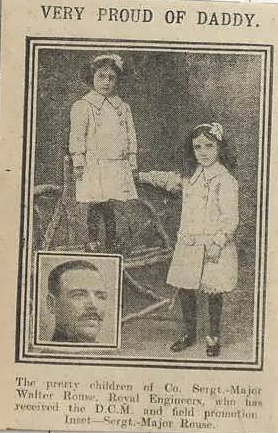
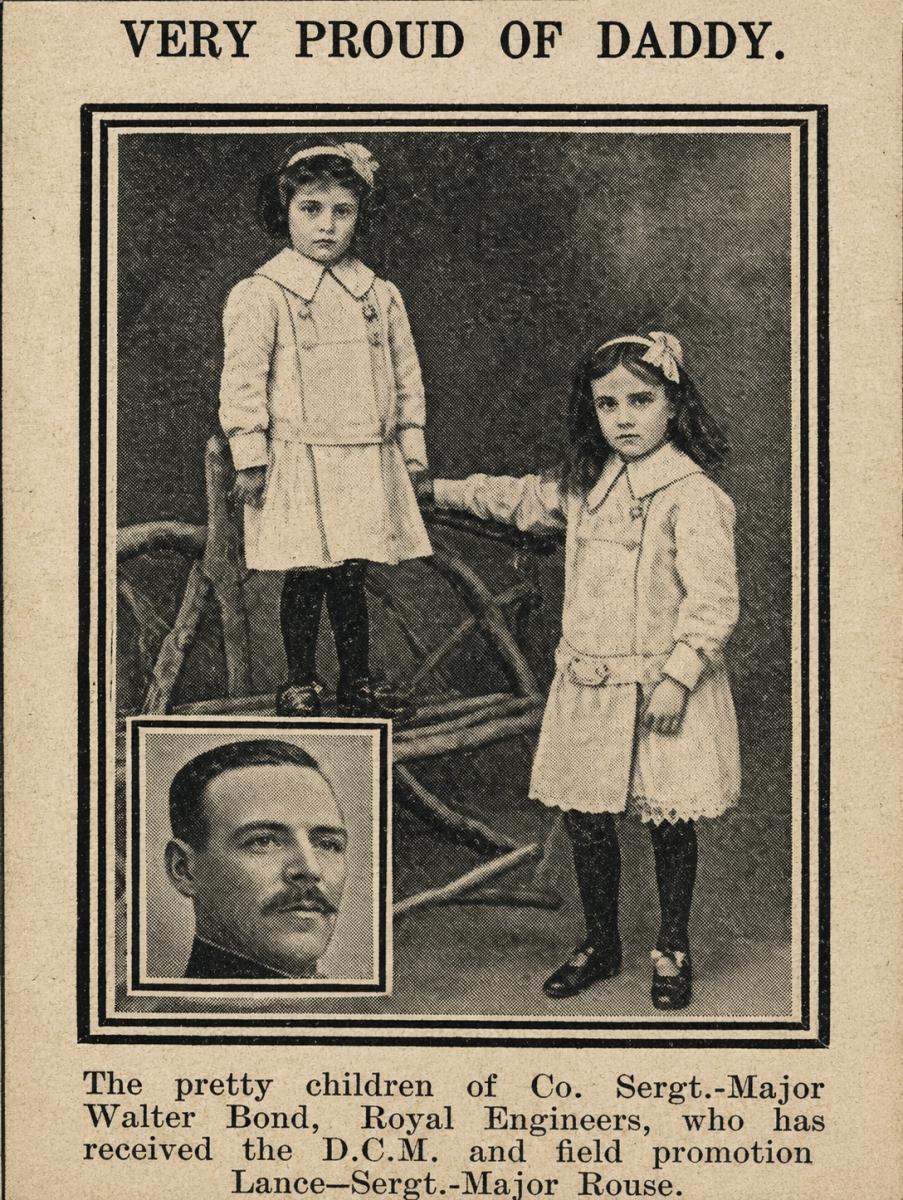
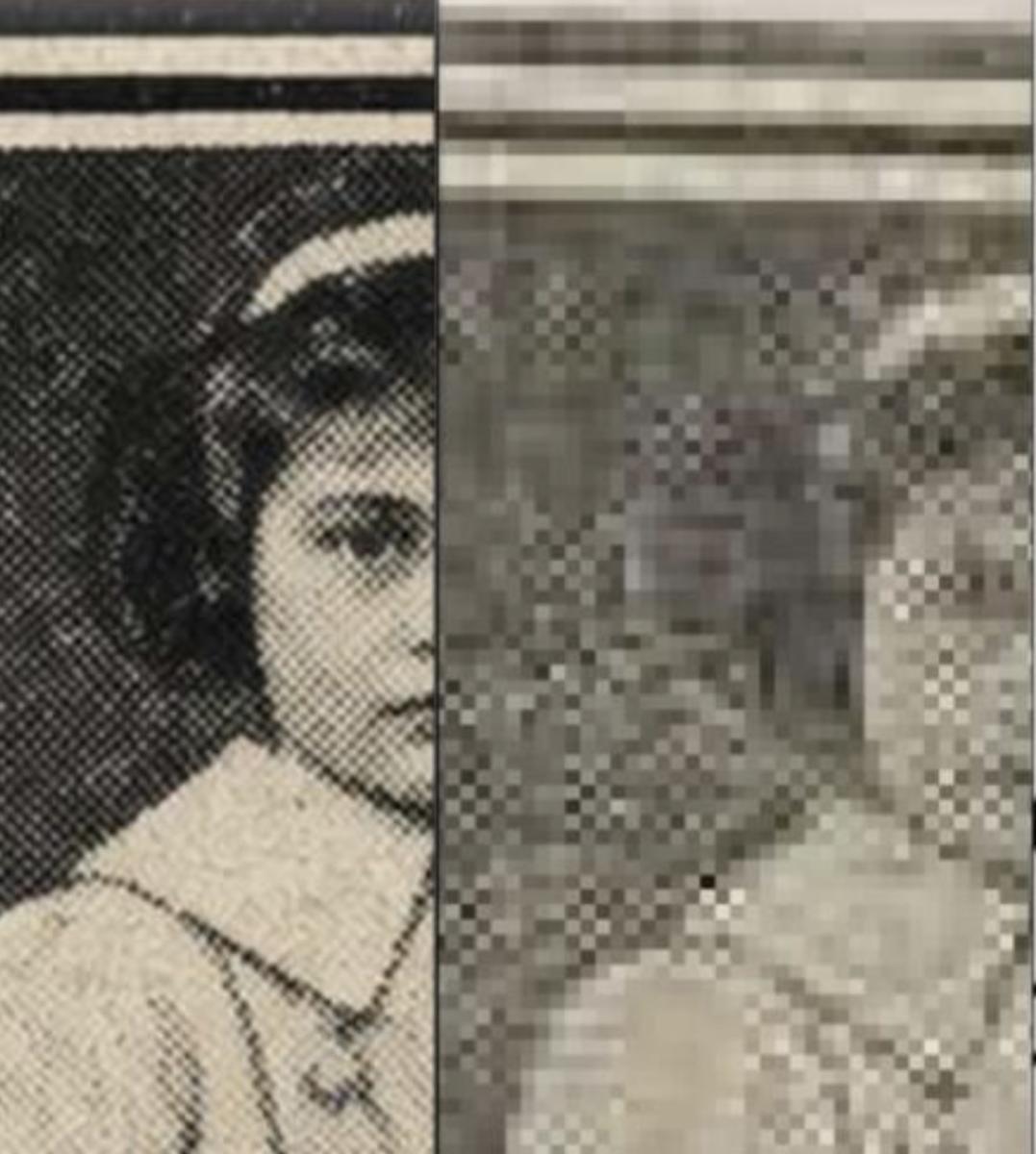
[DRAFT] Sometimes the only surviving image of a person or event is a tiny newspaper photograph, a photocopy of a photocopy, or a digital image saved many years ago at a resolution we would now consider extremely poor.
Yet something interesting happens when we look at one. Our brains compensate. We recognise a face, an expression, the folds of clothing or the shape of a letter, and the image can appear surprisingly clear to us. Look closely, however, and much of that apparent detail simply isn’t present in the pixels.
For Our Fallen we have been exploring how modern image-processing technology can help bridge that gap.
The aim is not to create a new photograph.
It is certainly not to improve history by making it prettier.
Our guiding principle has been authenticity.
Where a higher-quality original survives, that will always be preferable. But sometimes the low-resolution copy really is all that remains. In those cases, technology can analyse the surviving shapes, edges, tones and patterns and reconstruct a higher-resolution version that allows the image to be enlarged and appreciated again.
There is an important limitation. Lost information cannot truly be recovered. If the original detail no longer exists, technology cannot know with certainty what was once there. What it can do is make a careful reconstruction from the evidence that survives.
That distinction matters enormously to us.
We don’t want someone looking at one of our enhanced images and thinking, “What a clever modern interpretation.”
We want them to think:
“What a remarkable old photograph.”
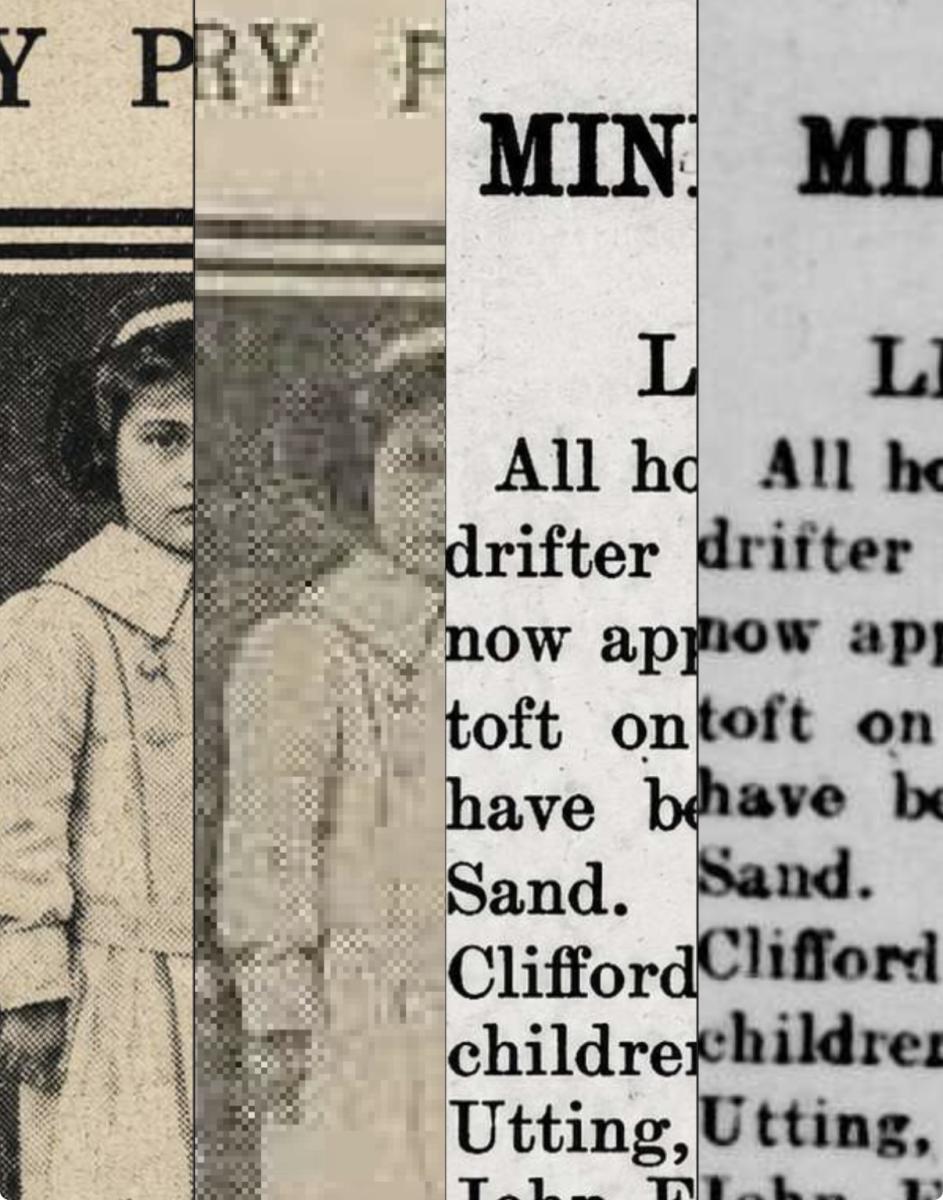
The image above shows several stages in that process. At normal viewing size the differences can seem surprisingly modest — precisely because our own eyes and brain are already doing some of the work. Magnify them, particularly for exhibition-size printing, and the difference becomes much more apparent.
For us, technology is at its best when it almost disappears. The history remains the important thing.
I see an interesting parallel with Damon’s historical research (the heart/ cornerstone of this Our Fallen project).
Where evidence has disappeared, you don’t pretend you’ve found it. Instead use what survives to construct the best-supported account possible — and remain clear about the distinction.
Joe Thompson
Team member
further reading: https://contentcredentials.org
United Kingdom
Add new comment